Cannabis Watercolor Illustrations Review
As a digital product creator who has spent years navigating the competitive landscapes of Etsy, Creative Fabrica, and various print-on-demand platforms, I approach every new graphic design asset with a critical eye. My goal is always to determine if an illustration can translate into a profitable, high-quality commercial product. Recently, I evaluated a specific collection titled Cannabis Watercolor. This review breaks down how this asset performs in real-world selling scenarios, moving beyond simple aesthetics to analyze its viability for your small business branding and product lines.
First Impressions: Mood and Market Appeal
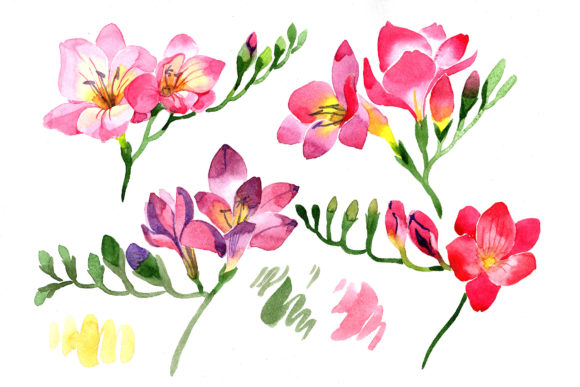
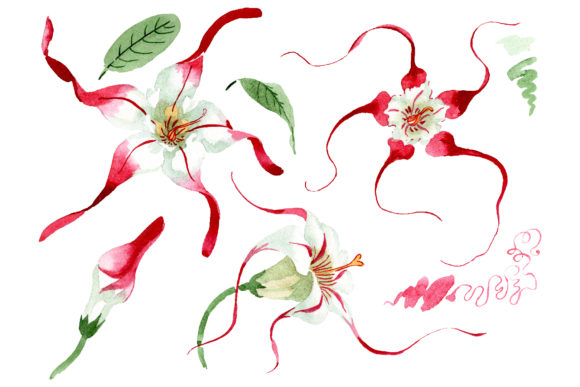
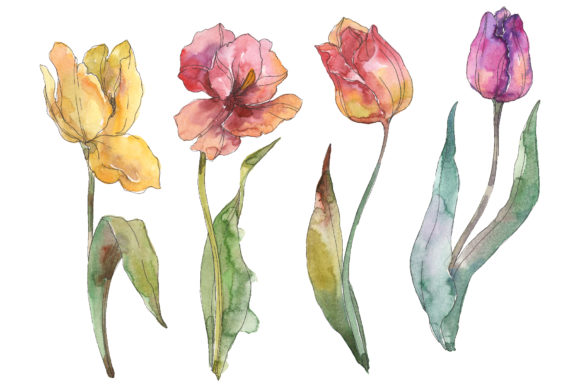
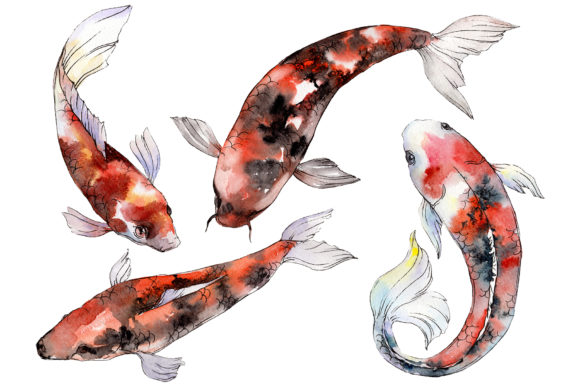
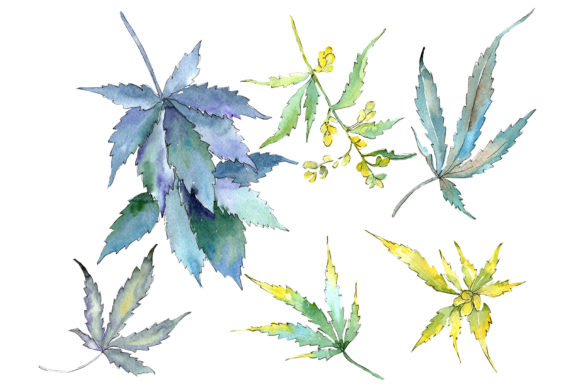
When I first opened the files for Cannabis Watercolor, the immediate visual personality was clear. The style leans heavily into a soft, organic aesthetic that feels both handmade and modern. Unlike the harsh, vector-heavy clipart often seen in this niche, these illustrations utilize watercolor textures to create a sense of depth and artistic flair. This specific mood appeals to a buyer demographic that values wellness, natural living, and botanical elegance over edgy or street-style graphics.
The visual hierarchy within the designs suggests they are best suited for products requiring a touch of sophistication. Whether you are targeting the yoga community, herbal remedy enthusiasts, or simply those who appreciate botanical art, the Cannabis Watercolor collection offers a distinct vibe. It feels less like a generic stock image and more like a premium asset ready for a curated shop. For creative entrepreneurs looking to elevate their brand identity, this type of illustration provides the perfect balance between niche appeal and broad marketability.
Real-World Product Applications
The true test of any digital download is its versatility across different product types. In my testing phase, I explored how Cannabis Watercolor could be integrated into a wide array of sellable items. The potential here is significant for both physical merchandise and digital goods.
- Print-on-Demand Merchandise: These designs work exceptionally well as t-shirt graphics and mug designs. The watercolor texture adds a unique dimension that flat colors often lack, making the final product feel more artisanal. When applied to tote bag prints or tumbler wraps, the organic shapes flow naturally with the contours of the item.
- Digital Downloads and Printables: For sellers focusing on printable wall art or planner stickers, the transparency of the PNG design files allows for easy layering. You can combine these elements with background patterns to create cohesive sticker sheets or greeting cards.
- Crafting and Cutting Machines: While primarily a raster-based look, the clean outlines make it possible to adapt certain elements for Cricut projects or Silhouette cutting machines, provided the file format supports it. This opens doors for scrapbooking kits and custom invitation templates.
- Canva Templates: Content creators and bloggers can use these assets to build social media graphics or promotional visuals. A Canva template featuring Cannabis Watercolor elements can help clients stand out in crowded feeds.
This versatility means a single purchase can fuel multiple listings, from sublimation designs for seasonal bundles to decorative layouts for packaging design.
Enhancing Product Presentation and Sales
In the world of online selling, your listing images are your storefront. The way you present Cannabis Watercolor directly impacts click-through rates and customer trust. I found that using these illustrations in product mockups significantly boosted the perceived value of the items. The soft edges and color gradients photograph beautifully, creating thumbnails that pop without looking cluttered.
Visual storytelling is crucial for a handmade business. By pairing these illustrations with complementary fonts—such as a delicate script font for headers and a clean sans serif font for body text—you can create a strong visual hierarchy. This combination helps customers instantly understand the theme of your Etsy product. Furthermore, consistency across your design bundle builds brand recognition. If you release a series of mugs or shirts using the same Cannabis Watercolor motif, customers begin to associate that specific look with your shop, fostering loyalty and repeat purchases.
Strategic Usage: Where It Shines
To maximize the return on this graphic design asset, it is essential to know where it works best. Large product previews are ideal because the watercolor details remain visible and impactful. Themed bundles that group these illustrations with other botanical elements create a comprehensive offering that feels substantial to buyers. Additionally, these assets excel in decorative layouts where negative space is utilized effectively, allowing the artwork to breathe.
For digital downloads, the high resolution ensures that printable products look crisp even when enlarged. In creative marketplace listings, the unique style of Cannabis Watercolor helps differentiate your offerings from the sea of generic vector art. Whether used for blog graphics or as part of a larger design bundle, the quality holds up under scrutiny, which is vital for maintaining a professional reputation.
Limitations and Careful Considerations
While the asset is impressive, there are scenarios where caution is required. Tiny sticker details might lose definition if the watercolor bleed is too heavy, so scaling down requires careful adjustment. Overly complex layouts can become muddy if too many elements are layered together; simplicity often yields better results with this style.
Low-resolution print products should be avoided, as the texture may appear pixelated. Crowded thumbnails can obscure the beauty of the illustration, so ensure there is enough breathing room in your listing images. Dark backgrounds can sometimes wash out lighter watercolor hues, reducing contrast and legibility. Text-heavy templates might struggle to compete with the intricate details of the art, so use them sparingly. Finally, for Cricut or Silhouette projects, verify that the cut lines are clean; watercolor styles do not always translate perfectly to vinyl cuts without manual tracing or vectorization.
Practical Seller Notes and Final Verdict
Before publishing any listing, I recommend a rigorous testing process. Test the design on real mockups to see how it translates to physical objects. Preview it as a marketplace thumbnail to ensure it grabs attention at a small size. Check how it looks on both white and dark backgrounds to determine versatility. Always verify PNG transparency and inspect SVG cut quality if you plan to offer editable files. Confirm the file resolution meets the standards of your target platform, whether it is for large-format printing or mobile viewing.
Organize your files clearly for customers if you are reselling the asset itself, or keep your own project files structured for efficiency. Pair the imagery with appropriate typography to enhance readability and style. Most importantly, confirm the commercial license before selling finished products to avoid legal issues. Ensure you have the rights to use Cannabis Watercolor for your specific business model, whether that is a one-time use or unlimited reproduction.
In conclusion, Cannabis Watercolor is a robust tool for digital product creators aiming to enter or expand within the botanical and wellness niches. It offers a blend of artistic charm and commercial utility that, when used correctly, can significantly enhance your online shop's appeal. By understanding its strengths and limitations, you can leverage this illustration to create high-value, professional-looking products that resonate with your audience.