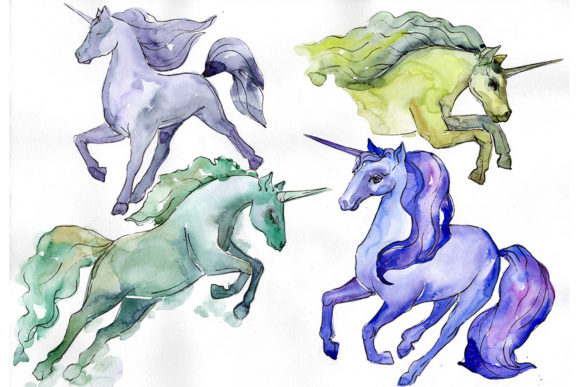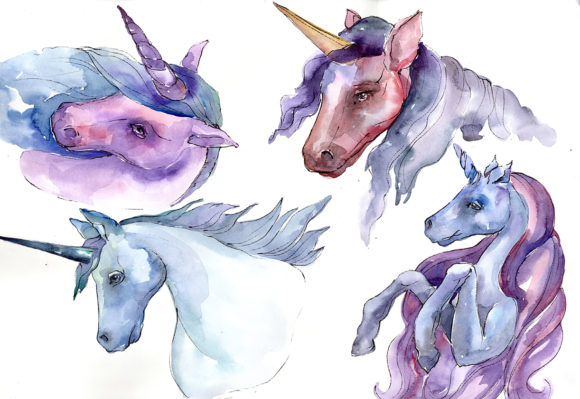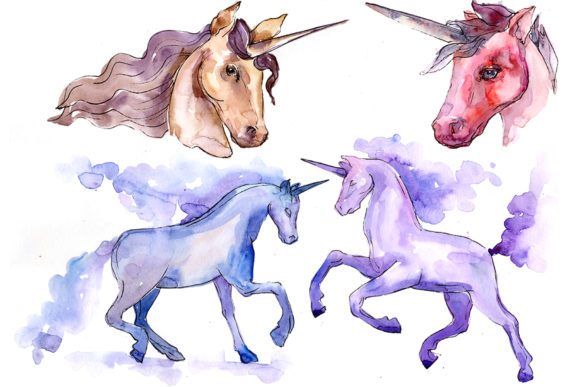
Classic Unicorn Image Watercolor & Illustrations
As a digital publisher who has spent years curating visual assets for high-traffic content sites, I know that the difference between a click and a bounce often comes down to the first image a user sees. When I first encountered the Classic Unicorn Image Watercolor, my immediate reaction was one of relief. In an era of hyper-realistic 3D renders and sterile vector graphics, this piece brings back the warmth and texture of traditional art. It feels less like a generic stock photo and more like a hand-painted editorial illustration that belongs in a premium lifestyle magazine or a boutique digital guide.
The mood it establishes is instantly recognizable: whimsical yet sophisticated. This is not the garish, neon unicorn aesthetic that can sometimes feel juvenile; instead, it leans into a softer, dreamier palette that suggests creativity, magic, and storytelling. For bloggers and content creators working in niches like parenting, wellness, fantasy literature, or even creative entrepreneurship, this graphic design asset offers a unique opportunity to inject personality into their brand identity without sacrificing professionalism.
First Impressions and Editorial Mood
When integrating a new visual element into a website, I always ask myself: does this elevate the reader's perception of the content? The Classic Unicorn Image Watercolor passes this test with flying colors. Its watercolor texture adds a layer of organic depth that flat digital illustrations often lack. This texture creates a sense of tactility, making the screen feel less cold and more inviting.
In terms of editorial design, this asset works beautifully to soften the tone of text-heavy articles. If you are publishing a long-form guide on creative writing or a listicle about magical realism books, this image serves as a perfect visual anchor. It signals to the reader that the content ahead is imaginative and curated. Unlike generic clip art, which can undermine reader trust by making a site look cheap, this illustration feels intentional and polished. It tells your audience that you care about the aesthetic details of your publication.
Real-World Publishing Applications
The versatility of the Classic Unicorn Image Watercolor extends far beyond a simple blog post header. In my workflow, I treat high-quality illustrations as modular assets that can be repurposed across multiple channels. Here is how I see this specific design asset performing in real-world scenarios:
- Blog Featured Images: As a hero image, it immediately grabs attention in search results and social feeds. The soft edges of the watercolor blend well with various background colors, ensuring it doesn't clash with your site's color scheme.
- Pinterest Pins: Pinterest users crave visual inspiration. A pin featuring this unicorn illustration, paired with a bold headline, has high viral potential. It stands out against the grid of hard-edged photos, drawing the eye naturally.
- Digital Guides and Lead Magnets: If you are creating a downloadable PDF or eBook, using this image on the cover elevates the perceived value of the product. It transforms a standard text document into a desirable digital download.
- Newsletter Headers: Email open rates often depend on the preview image. This asset provides a friendly, engaging face for your newsletter, encouraging subscribers to open and read your latest update.
- Affiliate Marketing Visuals: When promoting products related to children's decor, fantasy novels, or art supplies, this illustration acts as a thematic bridge, connecting your recommendation to the user's interests seamlessly.
Enhancing Content Performance and Visual Hierarchy
One of the most critical aspects of web design is visual hierarchy—the arrangement of elements to show their order of importance. The Classic Unicorn Image Watercolor excels here because it is distinct enough to act as a focal point but subtle enough not to distract from the headline. When placed beside a strong serif font or a clean sans-serif typeface, it creates a balanced composition that guides the reader's eye toward the call to action.
For small business owners and affiliate marketers, consistency is key to building a brand. Using this illustration repeatedly across your website header, category thumbnails, and social media graphics helps establish a cohesive visual language. Over time, your audience begins to associate this specific style of creative design with your content, fostering stronger brand recognition and loyalty. It moves your site away from looking like a template and toward feeling like a bespoke publication.
Strategic Placement and Design Pairings
To get the most out of this asset, consider where it fits best within your layout. It shines as a large hero image at the top of a landing page or as a sidebar accent in a personal blog post. I also recommend using it as a background element for Canva templates, perhaps with a slight opacity reduction to allow text to sit comfortably on top. When used in printables or worksheets, it adds a touch of charm that makes the activity more engaging for the end-user.
However, every design asset has its limitations. While the Classic Unicorn Image Watercolor is beautiful, it should be used carefully in certain contexts. Avoid using it as a tiny mobile thumbnail where the details might blur or become indistinguishable. It may also feel out of place in serious corporate niches, such as finance or legal advice, where a more minimalist or authoritative visual system is required. Additionally, if your website relies on very busy layouts with many competing elements, this delicate illustration might get lost. Always ensure there is enough negative space around the image to let it breathe.
Practical Publisher Notes for Implementation
Before committing to any commercial design, I always run a few practical tests. First, preview the Classic Unicorn Image Watercolor on both desktop and mobile screens to ensure it scales correctly. Check how it looks when compressed for web performance; watercolor textures can sometimes lose detail if over-compressed, so find a balance between file size and quality.
Next, experiment with typography. Try pairing the image with different font styles—a handwritten script for a playful vibe, or a modern display font for a contemporary look. Test the contrast by placing white text over the darker areas of the painting, or use a solid overlay to ensure readability. Finally, verify the commercial license. Ensure you have the rights to use this illustration on monetized websites, affiliate pages, and paid digital products. Protecting your business means respecting intellectual property while leveraging high-quality assets to grow your audience.
Ultimately, the Classic Unicorn Image Watercolor is more than just a pretty picture. It is a strategic tool for content marketing that can enhance your editorial design, improve click-through rates, and strengthen your overall brand identity. Whether you are designing a new blog theme, creating a lead magnet, or refreshing your social media graphics, this illustration offers the perfect blend of artistic flair and professional polish needed to succeed in today's crowded digital landscape.