Reviewing Bouquet with Tea Roses Watercolor
As a designer who has spent years translating digital art into tangible thread, I approach every new machine embroidery design with a mix of excitement and skepticism. The gap between a beautiful screen image and a successful finished product can be wide. Today, I am putting the Bouquet with Tea Roses Watercolor to the test. This piece falls under the Illustrations category, promising a soft, painterly aesthetic that is currently trending in the handmade market. But does it hold up when you move from a mockup to actual stitching? Let's dive into how this design performs in real-world scenarios.
The First Impression: Mood and Visual Personality
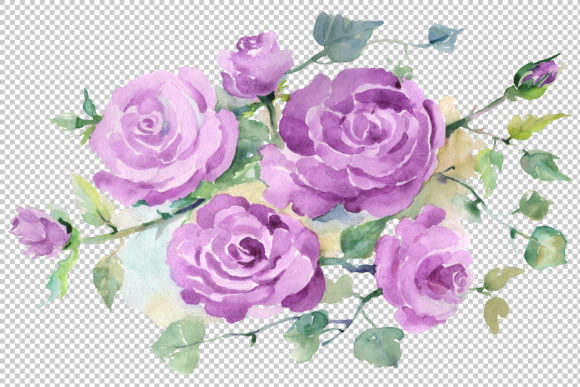
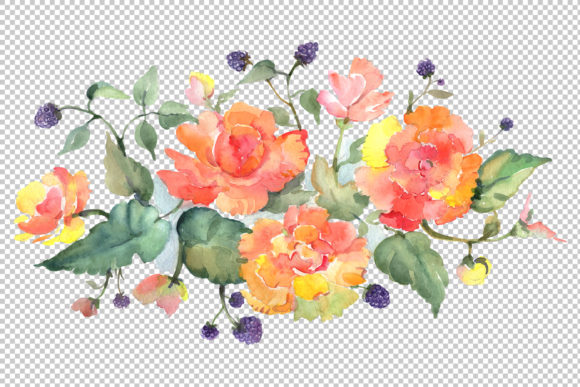
When I first opened the preview for Bouquet with Tea Roses Watercolor, the immediate reaction was one of warmth. It captures that classic, romantic feel of vintage botanical prints but with a modern, fluid touch. The watercolor effect suggests softness, blending edges rather than harsh lines. In the world of digital embroidery file assets, this style is distinct because it relies heavily on how the stitcher manages gradients and color transitions. It doesn't scream for attention; instead, it invites a closer look.
For an Etsy seller or a boutique owner looking to elevate their brand, this design offers a sophisticated alternative to standard floral motifs. It feels less like a generic clip-art flower and more like a curated piece of art. The layout is balanced, making it versatile enough to work as a standalone focal point or as part of a larger composition. However, the success of this design hinges entirely on execution. The delicate nature of watercolor means that if the stitch density is too high, the soft edges will disappear, turning a dreamy bouquet into a muddy patch of thread.
A Real-World Scenario: The Custom Tote Bag Project
To truly evaluate Bouquet with Tea Roses Watercolor, I imagined a specific project: creating a line of premium canvas tote bags for a local craft fair. These aren't just grocery bags; they are fashion accessories meant to carry books, gym gear, or groceries with style. The target audience is young professionals and creative entrepreneurs who value aesthetics and sustainability.
In this scenario, the design would be placed centrally on the front of a natural, unbleached cotton canvas. The texture of the canvas provides a perfect backdrop for the organic feel of the tea roses. As I visualized the stitching process, I considered the thread colors. To maintain the watercolor illusion, I would need to use variegated threads or carefully select a palette of muted pinks, creams, and sage greens. The goal is to mimic the way paint bleeds into paper. If I were using a standard fill stitch with solid colors, I might lose that artistic quality. Instead, a combination of satin stitches for definition and sparse fill stitches for shading would be crucial.
Imagine a customer holding this bag at a coffee shop. The contrast between the sturdy, textured fabric and the delicate, embroidered flowers creates a tactile experience. It signals quality. Unlike a printed design that might crack or fade after a few washes, this embroidery project adds structural integrity and longevity to the item. For a small business, this kind of detail builds customer trust and increases the perceived value of the handmade product.
Navigating Fabric and Placement Challenges
While the potential is high, Bouquet with Tea Roses Watercolor requires careful consideration regarding where and how it is applied. Not all fabrics play nice with detailed watercolor effects. On textured fabrics like heavy denim or thick wool, the fine details of the petals might get lost in the weave. Similarly, on very thin or stretchy materials, such as jersey knit for a sweatshirt embroidery project, the design could pucker if not stabilized correctly.
I would advise against using this design on curved surfaces like caps without significant modification. The flow of the watercolor strokes assumes a relatively flat plane. Trying to force it onto the dome of a hat could distort the shape of the roses. Additionally, dark fabrics present a challenge. While a light-colored design on a dark background can look striking, achieving that "watercolor" translucency is nearly impossible with opaque embroidery thread unless you use a white underlay or a specific applique design technique, which changes the nature of the original illustration.
Another critical area is the hoop size. Because this is a bouquet, it likely has a sprawling shape. You must confirm the dimensions before committing to a project. If your hoop is too small, you'll have to split the design, risking alignment issues that ruin the seamless look. Always check the hoop size requirements against your machine's capabilities.
Practical Notes for the Professional Designer
If you decide to incorporate Bouquet with Tea Roses Watercolor into your workflow, here are my top recommendations based on professional experience:
- Test on Scrap Fabric First: Never stitch directly onto your final product. Use a scrap piece of the same material to check how the thread interacts with the weave. Adjust tension if necessary.
- Review Stitch Density: Look closely at the areas where colors blend. If the density is too high, the fabric will stiffen. Thinning out the fill stitches in the background areas can preserve the softness of the design.
- Use Proper Stabilizer: For a design with this level of detail, a tear-away stabilizer might not be enough. A cut-away or even a water-soluble topping could help keep the stitches crisp and prevent birdnesting.
- Check Thread Contrast: Ensure your chosen thread colors stand out against the fabric without clashing. Test swatches in different lighting conditions.
- Licensing Verification: Before selling any finished product or offering this as a digital product, confirm the licensing terms. Some commercial embroidery licenses allow unlimited sales of physical goods but restrict digital resale.
- Mockup Testing: Create both black-and-white and color printable mockups to see how the design translates visually before spending hours on the machine.
Impact on Brand and Customer Engagement
Using a high-quality asset like Bouquet with Tea Roses Watercolor can significantly boost your brand's consistency. In a crowded market like Etsy or Instagram, unique, well-executed designs set you apart. This particular design appeals to those looking for personalized gifts, nursery decor, or wedding favors. Its timeless aesthetic ensures it won't look dated next season.
When customers see a custom apparel item with such intricate detailing, they perceive higher craftsmanship. This leads to better reviews, repeat business, and word-of-mouth referrals. Whether you are making an embroidered patch for a jacket or a baby embroidery piece for a onesie, the emotional connection created by the beauty of the roses enhances the giftability of the item.
Ultimately, Bouquet with Tea Roses Watercolor is a powerful tool for creative entrepreneurs. It bridges the gap between digital artistry and textile craftsmanship. By understanding its strengths and limitations, you can create products that are not only beautiful but also durable and commercially viable. Just remember to take your time, test thoroughly, and let the design breathe on the fabric. That is the secret to turning a simple embroidery file into a standout masterpiece.