Blue Watercolor Lotus Flower: A Designer Review
As a designer who has spent years curating assets for both personal projects and commercial lines, I approach every new machine embroidery design with a specific set of questions. Does it translate well from screen to fabric? Will the stitch density hold up on a stretchy knit? Most importantly, does it add genuine value to a finished product? When I first encountered the Blue Watercolor Lotus Flower, my immediate reaction was one of calm appreciation. It belongs firmly in the Illustrations category, offering a soft, artistic aesthetic that stands out against the rigid geometry often found in standard embroidery libraries.
This piece is not just a digital file; it is a mood setter. The watercolor effect, achieved through clever layering of gradients and texture, mimics the fluidity of paint on paper. For an Etsy seller or a small shop owner looking to elevate their brand, this design offers a sophisticated alternative to bold logos or cartoonish graphics. It suggests tranquility, nature, and artisanal quality. However, moving from a digital preview to a physical embroidery project requires a critical eye. Let's dive into how this design performs in real-world scenarios.
Visual Impact and First Impressions
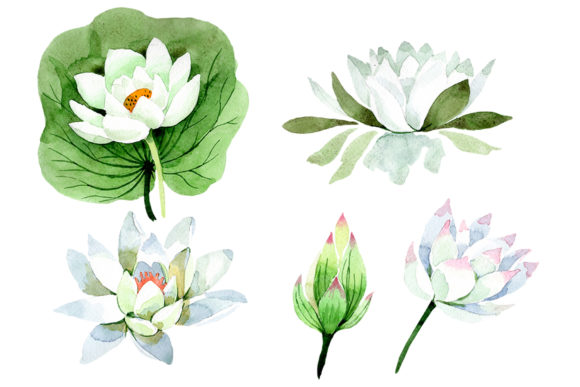
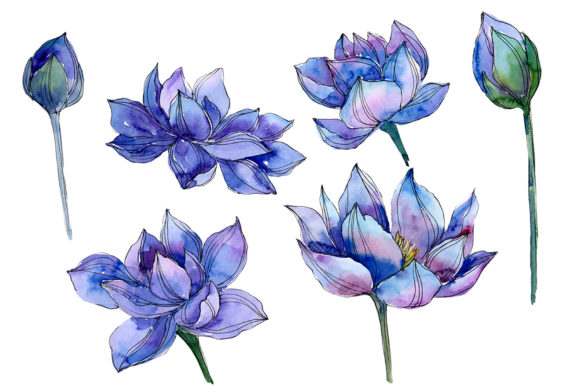
The visual personality of the Blue Watercolor Lotus Flower is defined by its softness. Unlike high-contrast designs that rely on thick outlines, this asset uses subtle transitions between shades of blue to create depth. In a printable mockup, it looks stunning, but the true test comes when you consider the thread colors required to replicate that watercolor wash. To achieve this look in a finished product, you will likely need multiple shades of blue thread, perhaps ranging from a pale sky blue to a deep indigo, blended with white or light grey to simulate the paper texture beneath the paint.
For a craft business focusing on home decor, this design is a natural fit. Imagine a linen pillow cover or a kitchen tea towel where the lotus sits slightly off-center. The organic shape complements the natural fibers of linen and cotton beautifully. The design avoids the "stiff" look that plagues many digital files because the edges are intentionally irregular, mimicking the way watercolor bleeds into paper. This makes it an excellent choice for personalized gifts where the goal is to convey thoughtfulness and elegance rather than loud branding.
Real-World Application: The Custom Tote Bag Scenario
To truly evaluate the utility of the Blue Watercolor Lotus Flower, let's place it in a specific context. Picture yourself preparing a batch of custom embroidered tote bags for a summer craft fair. You have selected a sturdy, natural canvas material. The challenge here is ensuring the design remains legible and vibrant without overwhelming the bag's texture.
In this scenario, the lotus flower works exceptionally well as a focal point. Because the design relies on a central motif rather than sprawling borders, it fits comfortably within a standard 5x7 inch hoop, though you should always confirm the exact hoop size requirements before committing. The fill stitch areas used to create the petals need to be dense enough to show color but loose enough to allow the canvas weave to peek through slightly, enhancing that watercolor illusion.
If you were to use this on a sweatshirt instead, the dynamics change. On a fleece or cotton-blend custom apparel item, the softness of the design pairs perfectly with the cozy texture of the fabric. A sweatshirt embroidery project featuring this lotus on the left chest area would appeal to customers seeking minimalist, bohemian style. However, if you attempt to place it on a dark navy sweatshirt, you must reconsider your thread colors. The lighter blues might get lost against a dark background unless you utilize a significant amount of white underlay or switch to a contrasting palette entirely. Always test your embroidery file on scrap fabric first to see how the colors interact with your specific base material.
Navigating Fabric Challenges and Stitch Density
While the Blue Watercolor Lotus Flower is versatile, it is not without its limitations. One area requiring careful attention is the use of running stitch details. These fine lines are essential for defining the delicate veins of the leaves and the center of the flower. On textured fabrics like heavy denim or boucle, these fine stitches can sometimes disappear or become distorted. Similarly, on thin or stretchy fabrics, such as jersey knits for t-shirts, the tension required to pull the thread through can cause puckering around the intricate details.
When working with stretchy fabric, the choice of stabilizer becomes non-negotiable. A tear-away stabilizer might not provide enough support for the density required to render the watercolor effect accurately. A cut-away or fusible web is often safer to ensure the stitch density remains flat and stable after washing. If you are creating an embroidered patch version of this design, the backing needs to be robust enough to withstand the friction of being sewn onto various garments.
Another consideration is the placement on curved surfaces, such as caps or hats. The organic, flowing lines of the lotus may distort if stretched over the rounded crown of a cap. While it could work on a flat brim or a structured panel, placing it directly on the dome might require significant digitizing adjustments to maintain the integrity of the shape. For baby embroidery items like onesies or bibs, the softness of the design is perfect, but you must ensure there are no sharp points or dense clusters of thread that could irritate sensitive skin.
Strategic Value for Small Business Owners
From a commercial standpoint, incorporating the Blue Watercolor Lotus Flower into your product line can significantly boost perceived value. In the crowded marketplace of handmade goods, designs that offer an artistic edge help differentiate your brand. Customers browsing your Etsy listings or visiting your booth at a craft fair are often looking for something unique that feels handcrafted, even if it is machine-stitched.
This design enhances buyer engagement by appealing to those who appreciate botanical themes and calming aesthetics. It fits seamlessly into collections focused on wellness, yoga wear, or spa-inspired home goods. When used correctly, it elevates a simple tote bag or apron into a boutique-worthy item. However, remember that consistency is key. If your brand identity relies on bold, graphic styles, introducing a soft watercolor element might feel disjointed unless carefully integrated.
Before launching any product line using this asset, verify the licensing terms. As a digital product seller or someone selling commercial embroidery goods, you need to know if the license allows for unlimited production or if there are restrictions on the number of items you can sell. Never assume; check the documentation provided with the embroidery file.
Practical Designer Notes for Success
To ensure the best results with the Blue Watercolor Lotus Flower, follow these practical steps:
- Test on Scrap Fabric: Always run a test stitch on the same type of fabric you plan to use for the final product. Check for puckering, thread breaks, and color accuracy.
- Review Color Contrast: Compare light and dark fabric backgrounds. You may need to adjust the thread colors or add an underlay to make the design pop on darker materials.
- Inspect Small Details: Zoom in on the finished test to ensure the fine running stitch elements are visible and not tangled.
- Confirm Hoop Size: Ensure your machine hoop accommodates the full width and height of the design without cropping any petals or leaves.
- Use Proper Stabilizer: Do not skimp on stabilization, especially for applique design techniques or when working with delicate fabrics.
- Check Licensing: Confirm whether the design is cleared for personal use only or if it includes a commercial license for selling finished products.
Ultimately, the Blue Watercolor Lotus Flower is a powerful tool for designers who understand how to balance artistic vision with technical execution. It brings a touch of serenity and sophistication to handmade products, making it a worthy addition to your library of design assets. Whether you are creating a holiday gift, a personalized keepsake, or a line of boutique merchandise, this design has the potential to captivate your audience—if applied with care and precision.