Flower White Lotus Watercolor Embroidery Review
As a designer who has spent years translating digital art into tangible thread, I approach every new machine embroidery design with a mix of excitement and skepticism. The gap between a beautiful digital illustration and a successful stitched product is often where projects fail or succeed. When I first opened the file for Flower White Lotus Watercolor, my immediate reaction was to assess its potential beyond the screen. This piece falls squarely into the Illustrations category, promising a soft, artistic aesthetic that many crafters and small business owners are currently seeking for their handmade products.
The First Impression: Mood and Visual Personality
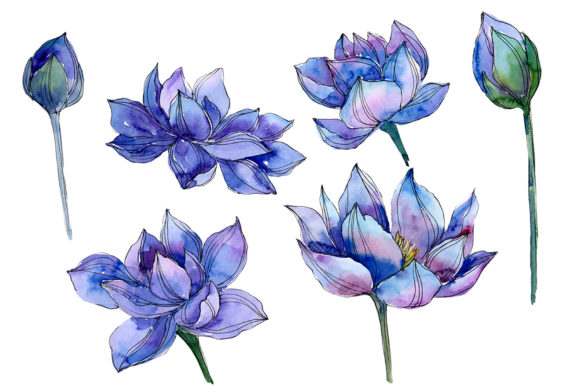
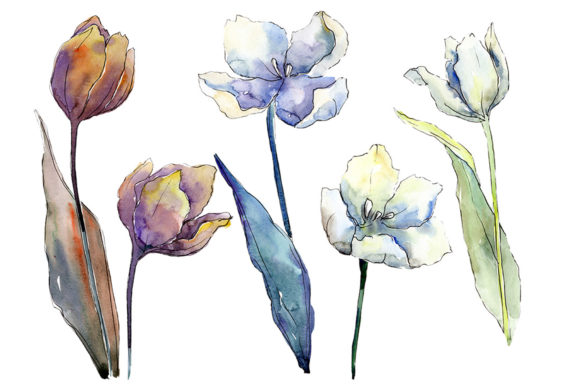
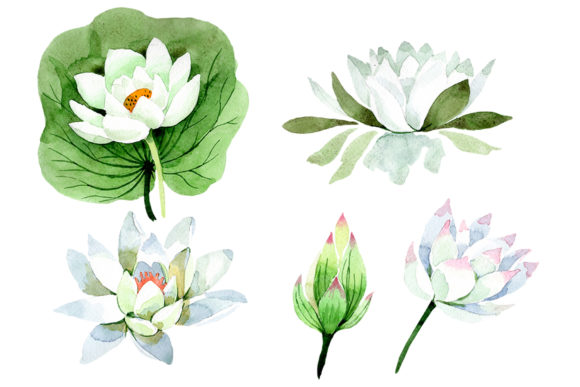
The visual personality of Flower White Lotus Watercolor is defined by its ethereal quality. Unlike rigid, geometric floral patterns that dominate many commercial embroidery libraries, this design captures the fluidity of watercolor paint. The petals appear to bleed slightly into one another, creating a sense of organic movement rather than sharp, manufactured edges. For an Etsy seller or boutique owner looking to elevate their brand from "crafty" to "curated," this mood is essential. It suggests tranquility, purity, and a touch of high-end artistic direction.
However, the very nature of a watercolor style presents a unique challenge in the world of thread. In digital art, gradients are seamless. In embroidery, we rely on stitch density, thread colors, and specific techniques like satin stitch or fill stitch to mimic those transitions. My initial assessment is that Flower White Lotus Watercolor relies heavily on the interplay of light and shadow within the petals. If the digitization is not precise, the result can look muddy or lose the delicate "wet-on-wet" effect that makes the original illustration so appealing.
Testing the Design: A Real-World Scenario
To truly understand the value of this embroidery file, I imagined a specific project: a custom embroidered tote bag for a local botanical garden's fundraising event. Tote bags are a staple for craft businesses because they offer a large canvas and serve as walking advertisements. I visualized placing Flower White Lotus Watercolor on a natural, unbleached cotton canvas. The neutral background would allow the white and pale green tones of the lotus to stand out without competing with the fabric.
In this scenario, the design's layout becomes critical. The lotus flower needs to be large enough to capture the subtle details of the watercolor washes. If scaled down too much for a cap or a small patch, the intricate blending of the petals might disappear, leaving only a vague blob of thread. For a tote bag or a sweatshirt embroidery project, however, the size allows the design to breathe. Customers buying these items are often looking for something that feels personal and thoughtful, not mass-produced. The finished product would likely command a higher price point due to its artistic complexity and the perceived effort involved in achieving that soft, painted look through stitching.
Practical Considerations for Stitching and Fabric
While the aesthetic appeal is high, practical execution requires careful planning. When working with a design like Flower White Lotus Watercolor, the choice of stabilizer is non-negotiable. Because watercolor effects often involve open areas or varying densities, the fabric must remain perfectly flat during the stitching process to prevent puckering. I strongly advise using a cut-away stabilizer for stretchy fabrics like jersey knit if you plan to use this for baby embroidery or custom apparel. For woven fabrics like linen or heavy cotton, a tear-away might suffice, but testing on scrap fabric first is always the safest route.
Fabric texture also plays a significant role. A highly textured fabric, such as a rough wool blend or a nubby linen, could disrupt the smooth flow of the lotus petals. The design works best on medium-to-heavyweight fabrics with a relatively smooth surface. Dark fabrics present another hurdle; while a dark background can make white thread pop, it may obscure the subtle shading of the watercolor effect unless the design includes a dense underlay or a backing layer. Always compare light and dark fabric backgrounds in your mockups before committing to a full production run.
Where to Use This Design Carefully
There are specific contexts where Flower White Lotus Watercolor should be used with caution. Small hoop sizes are a major red flag for this particular style. The delicate lines and gradient-like fills require space to render correctly. Attempting to stitch this on a tiny keychain or a small hat brim will likely result in lost detail and frustration. Similarly, curved surfaces like caps can distort the shape of the flower, making the watercolor effect look uneven. If you do choose to embroider this on a curved item, ensure the digitization accounts for the curvature to maintain the integrity of the petals.
Dense stitch areas can also cause issues. If the design attempts to pack too much color into a small area to simulate a deep watercolor wash, it may create a stiff, board-like feel on the finished product. This is particularly important for items that need frequent washing, such as kitchen towels or aprons. Over time, excessive density can lead to cracking or fraying of the threads. Always review the stitch density in your software before loading the machine.
Impact on Brand and Customer Perception
For creative entrepreneurs and digital product sellers, the choice of design assets directly influences customer trust and brand consistency. Flower White Lotus Watercolor offers a level of sophistication that can distinguish a small shop product from generic competitors. When a customer sees a personalized gift with this level of detail, they perceive higher value. It signals that the maker cares about aesthetics and quality.
This design is particularly effective for holiday gifts, wedding favors, and nursery decor. The lotus symbolizes purity and rebirth, making it a meaningful motif for baby showers or new beginnings. However, remember that the final perception depends on the execution. A poorly stitched version of a beautiful design can damage a reputation just as quickly as a great design can build one. Ensure your thread colors match the intended palette precisely, and inspect small details under good lighting before presenting the item to a client.
Final Designer Notes and Checklist
Before integrating Flower White Lotus Watercolor into your workflow, follow these practical steps:
- Test on Scrap Fabric: Never skip this step. Stitch a sample to check how the thread interacts with your chosen material.
- Check Thread Contrast: Verify that the white and pale shades will show up clearly against your base fabric.
- Review Stitch Density: Look for areas that might be too dense or too sparse, which could affect the watercolor illusion.
- Confirm Hoop Size: Ensure your machine's hoop can accommodate the design at the desired scale without distortion.
- Inspect Licensing: As with any commercial embroidery project, confirm that your license allows you to sell finished items or digital files containing this design.
- Create Mockups: Use printable mockups to visualize how the design looks on different products before investing in materials.
In conclusion, Flower White Lotus Watercolor is a powerful asset for designers willing to put in the extra effort to achieve a refined look. It is not a "set it and forget it" design; it demands attention to detail, proper stabilization, and thoughtful placement. But when executed correctly, it transforms a simple piece of fabric into a work of art that customers will cherish. Whether you are running a craft business, selling on Etsy, or creating personalized gifts for friends, this design has the potential to elevate your entire portfolio if handled with care.