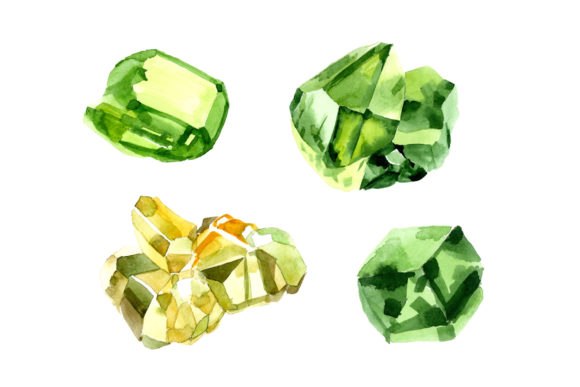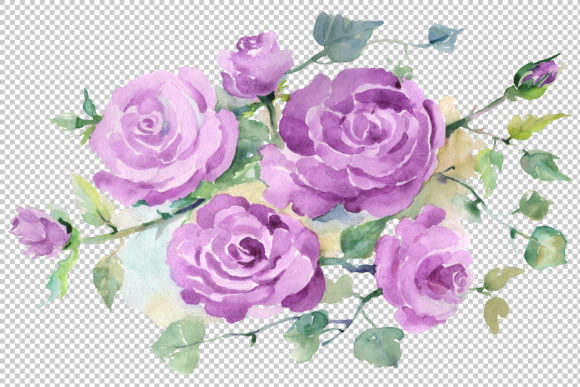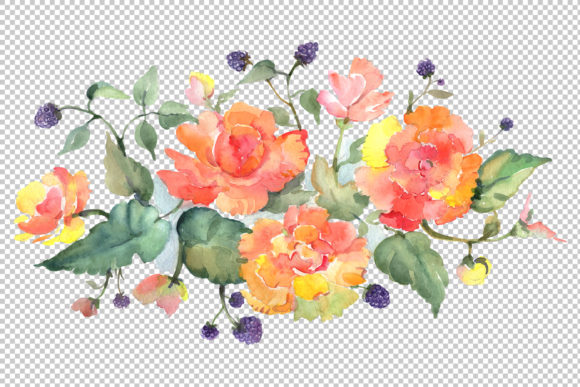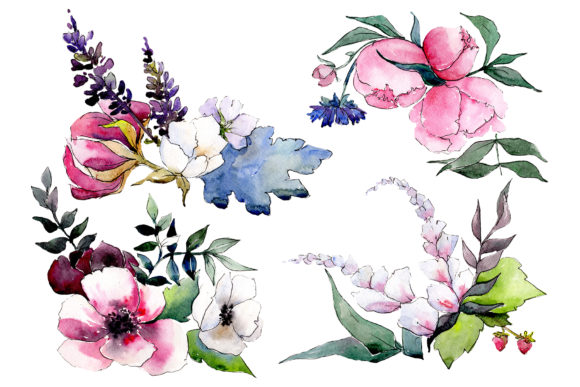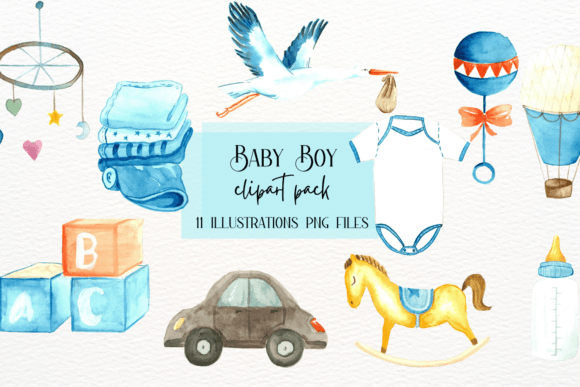
Reviewing Baby Boy Watercolor Clip Arts Collection
As a designer who has spent years translating digital files into tangible stitched goods, I approach every new asset with a critical eye. When I first opened the Baby Boy Watercolor Clip Arts Collection, my immediate thought wasn't just about the aesthetic appeal of the images, but how those soft, blended edges would translate through a needle and thread. This collection sits within the Illustrations category, offering a distinct mood that feels gentle, organic, and undeniably modern. For anyone running a craft business or looking to elevate their handmade product line, understanding the practical application of these designs is crucial before you commit them to your machine.
The First Impression: Soft Edges Meets Stitch Logic
The visual personality of this collection is defined by its watercolor technique. In a digital format, this means gradients, transparency, and bleeding colors that create a dreamy atmosphere. However, in the world of embroidery, watercolor effects present a unique challenge. The Baby Boy Watercolor Clip Arts Collection relies heavily on subtle shading rather than hard outlines. When converting this into an embroidery file, the goal is to mimic that fluidity without losing definition.
I immediately envisioned using these assets for custom apparel aimed at newborns and toddlers. Imagine a soft cotton onesie or a plush blanket where the harsh lines of traditional vector art might feel too rigid. Here, the watercolor style shines. It suggests a personalized gift that feels curated and artistic rather than mass-produced. The shapes are generally organic, avoiding sharp geometric corners that can be problematic in tight stitching. This makes the collection a strong candidate for machine embroidery design projects where a softer, more painterly look is desired.
Real-World Application: From File to Finished Product
To truly evaluate the utility of these illustrations, I simulated a real-life scenario: creating a limited run of embroidered tote bags for a boutique baby shop. The concept was simple—a high-quality canvas bag featuring a whimsical animal from the collection, perhaps a bear or a bunny, rendered in soft blues and greens. The challenge lies in the execution. Unlike a standard logo that uses solid fill stitch, a watercolor effect requires careful layering of thread colors to build depth.
In this context, the Baby Boy Watercolor Clip Arts Collection works exceptionally well as a focal point on larger surfaces like a tote bag design or a sweatshirt embroidery project. On a sweatshirt, the texture of the fleece actually helps blend the stitches, making the gradient effect appear even more authentic. The design assets here are robust enough to handle the slight distortion that happens when stitching on textured fabrics, provided the digitizer understands the source material.
For the Etsy seller or small shop owner, this versatility is key. These illustrations can serve as the hero image for a digital product preview or a printable mockup, but they also hold up well as physical handmade products. Whether you are making a nursery pillow cover or a holiday embroidery item for Christmas stockings, the theme resonates deeply with parents looking for something unique. The emotional connection buyers have with watercolor art often translates directly to higher perceived value for the finished product.
Navigating Challenges: Where Caution is Required
While the potential is high, experienced designers know that not every design fits every situation. There are specific scenarios where the Baby Boy Watercolor Clip Arts Collection requires extra caution. The delicate nature of watercolor details means that small hoop sizes might compromise the integrity of the image. If you try to shrink a complex watercolor element down to fit a 4x4 inch hoop, the intricate shading may turn into a muddy mess of thread, losing the very quality that makes it special.
Fabric choice is another critical factor. On thin fabric or stretchy materials like jersey knit, the density required to achieve a watercolor look could cause puckering. You must use a heavy-duty stabilizer and potentially reduce the stitch density to maintain the drape of the garment. Additionally, dark fabrics can be tricky. While the contrast might look stunning in a mockup, the light pastel threads typical of this collection might get lost against a black background unless you use a backing or adjust the color palette significantly.
Furthermore, consider the longevity of the item. Products that need frequent washing, such as kitchen towels or everyday wear, require durable stitching. A delicate watercolor effect achieved through many layers of satin stitch or fine fill stitch might fray over time if not secured properly. Always test the design on scrap fabric first to ensure the thread tension holds up under stress.
Practical Designer Notes for Success
If you decide to integrate the Baby Boy Watercolor Clip Arts Collection into your workflow, here are my top recommendations for ensuring professional results:
- Test Before Committing: Never skip the test run on scrap fabric. Check how the thread colors interact and whether the gradient illusion holds up from a distance.
- Verify Licensing: As a creative entrepreneur, always confirm the licensing terms. Ensure you are permitted to sell finished items or use the digital embroidery file for commercial embroidery projects.
- Mockup Strategy: Test the design in both black and white mockups to see if the contrast works, then compare it against light and dark fabric backgrounds to choose the right thread colors.
- Hoop Size Matters: Confirm the hoop size requirements. If the design is large, do not force it into a smaller hoop; instead, consider splitting the design or choosing a different illustration from the set.
- Stitch Type Selection: Decide early if you will use running stitch for outlines or fill stitch for the body. Watercolor effects often benefit from a mix of long and short stitches to simulate brush strokes.
- Commercial Viability: Assess if the design fits your brand consistency. Does this soft, artistic style align with the rest of your craft business offerings?
Final Verdict: A Valuable Asset for Thoughtful Creators
The Baby Boy Watercolor Clip Arts Collection is more than just a set of pretty pictures; it is a tool for storytelling in textiles. When used correctly, it elevates a simple embroidered patch or baby embroidery project into a piece of wearable art. It appeals to customers who value uniqueness and tenderness in their purchases, making it a smart addition for any small shop product line focused on infants and children.
However, its success hinges on the skill of the designer. It demands respect for the medium—understanding how thread behaves differently than paint. By carefully selecting the right fabric, stabilizer, and hoop size, and by rigorously testing the embroidery project before production, you can unlock the full potential of these illustrations. For the dedicated maker willing to put in the technical work, this collection offers a beautiful way to stand out in a crowded market, delivering finished products that customers will cherish.