Tropical Fruits Watercolor Clipart Review
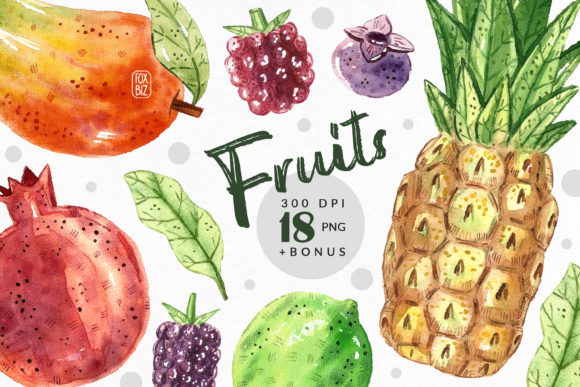
As a designer who has spent years translating digital art into tangible thread, I approach every new asset with a critical eye. When I first opened the file for Tropical Fruits Watercolor Clipart, my immediate reaction was one of visual delight. The soft gradients and organic shapes scream summer vibes, but as an embroidery professional, my mind instantly shifted to the technical challenge: how do we translate watercolor bleed into stitch density? This is not just another set of Illustrations; it is a specific mood piece that requires careful handling to avoid looking muddy or overworked on fabric.
The Visual Promise vs. Stitch Reality
The aesthetic of Tropical Fruits Watercolor Clipart relies heavily on transparency and color blending. In a digital format, this creates a dreamy, ethereal look perfect for branding or social media posts. However, in the world of machine embroidery, watercolor effects are notoriously difficult to replicate without high-end digitizing skills. If you plan to use this as a machine embroidery design, you must understand that standard fill stitches will not naturally mimic the soft edges of a watercolor wash.
To make this work, you would likely need to adjust the stitch density significantly. A dense satin stitch might kill the delicate feel, while a sparse running stitch could leave gaps that ruin the illusion of a painted surface. I found myself imagining a custom embroidered tote bag where these fruits serve as the main focal point. On a sturdy canvas tote, the texture of the fabric can actually help break up the harshness of the thread, making the watercolor effect more believable than it would be on a smooth, tight-knit cotton shirt.
Real-World Application: The Custom Tote Scenario
Let’s walk through a practical scenario. Imagine you are an Etsy seller preparing a collection of summer-themed goods. You decide to feature Tropical Fruits Watercolor Clipart on a series of organic cotton tote bags. The goal is to create a product that feels artisanal and high-quality. Before loading the hoop, I always recommend testing the design on scrap fabric that matches your final material.
In this case, the watercolor style suggests a relaxed, bohemian vibe. If you place this design on a structured sweatshirt, the contrast between the soft fruit imagery and the heavy fleece might feel disjointed. However, on a lightweight linen apron or a kitchen tea towel, the flow of the watercolor shapes complements the natural drape of the fabric. The key here is the hoop size. Because watercolor designs often rely on negative space and soft outlines, cramming them into a tiny 4x4 inch hoop can result in lost details. Ensure your embroidery file is scaled appropriately so the gradient transitions remain visible.
Navigating Fabric Textures and Colors
Fabric choice is paramount when working with this specific clipart. Light fabrics are ideal because they allow the pastel tones of the tropical fruits to pop without needing excessive underlay. If you attempt to use Tropical Fruits Watercolor Clipart on dark fabric, you will face significant challenges. The "wash" effect of watercolor relies on seeing the background peeking through lighter areas. On black denim or navy twill, you would need a heavy white underlay, which risks flattening the design and making it look like a solid block of color rather than a watercolor painting.
Furthermore, consider the fabric texture. Highly textured fabrics like chunky knits or burlap can distort the fine lines of the fruit stems and leaves. For the best results, stick to medium-weight wovens like quilting cotton, linen, or canvas. These materials provide a stable ground for the needle to pierce without pulling the threads out of alignment. If you are creating a personalized gift, such as a baby blanket or nursery decor, the softness of the design pairs beautifully with the gentle textures of flannel or minky, provided the stabilizer is strong enough to prevent puckering.
Where to Use Caution
While versatile, there are specific situations where Tropical Fruits Watercolor Clipart should be used with extreme caution. Small hoop sizes are a major pitfall. The intricate details of watercolor drips and leaf veins can vanish if the design is too small. Similarly, stretchy fabrics like jersey knit require a cutaway stabilizer and careful tension adjustments; otherwise, the design may pucker or warp after washing.
Avoid using this design on curved surfaces like caps unless the digitizing has been specifically optimized for 3D shaping. The flat nature of watercolor illustrations can look distorted when wrapped around the curve of a baseball cap. Additionally, products that undergo frequent industrial washing, such as restaurant aprons or gym wear, may see the delicate thread work fray faster than bold, dense designs. Always test your finished product by washing it once before selling it as a commercial item.
Enhancing Product Value and Brand Consistency
For small business owners and craft entrepreneurs, the visual appeal of your finished product directly impacts customer trust. Using Tropical Fruits Watercolor Clipart correctly can elevate a simple handmade product into a boutique-worthy item. The unique aesthetic sets your brand apart from competitors using generic, blocky floral designs. It signals creativity and attention to detail.
However, consistency is key. If your brand identity is sleek and modern, this whimsical style might clash. Conversely, if your shop focuses on eco-friendly, natural, or summery themes, this design is a perfect fit. It works exceptionally well for holiday gifts, particularly spring and summer collections. Think of it as a seasonal accent on a pillow cover or a decorative patch for a denim jacket. The ability to offer something that looks hand-painted adds significant perceived value to your inventory.
Practical Designer Notes for Success
- Test First: Never skip the test run on scrap fabric. Check how the thread colors blend and if the fill stitch mimics the intended watercolor look.
- Stabilizer Matters: Use a tear-away or cutaway stabilizer depending on your fabric weight. Watercolor styles often have open areas that need support to prevent sagging.
- Contrast Check: View your design in black and white mockups to ensure the lightest parts of the fruit are still visible against the fabric background.
- Licensing Verification: Before selling any handmade product or digital product featuring this art, confirm the licensing terms. Ensure you have the right to use Tropical Fruits Watercolor Clipart for commercial embroidery projects.
- Density Adjustment: Be prepared to tweak the stitch density in your embroidery software. You may need to lower the density to achieve that airy, watercolor feel.
Final Thoughts on Commercial Viability
Ultimately, Tropical Fruits Watercolor Clipart is a powerful tool for designers willing to put in the extra effort. It is not a plug-and-play solution for every project, but for the right application—like a custom apparel line, a curated Etsy listing, or a special order personalized gift—it offers a level of sophistication that standard clipart cannot match. By respecting the limitations of thread and fabric, and by carefully selecting your materials, you can transform these digital illustrations into stunning textile art. Whether you are a hobbyist making a few items for friends or a seasoned decorator running a full-scale craft business, understanding how to manipulate stitch types and fabric choices will determine the success of your project. Remember, the magic lies not just in the design itself, but in how skillfully you bring it to life through the needle.